Best Android Camera Phones in 2026
This ranking prioritizes camera quality, image processing, zoom performance, and consistency.
 Editor's Choice
Samsung · 2026
Galaxy S26 Ultra
The most complete Android smartphone of 2026.
~$1299
- 6.9" AMOLED 120Hz
- 5000 mAh battery
- 200MP Main + 50MP Ultrawide + 10MP 3x Tele + 50MP 5x Tele
- Very strong camera
- Long update policy
- Expensive
- Large and heavy
 Editor's Choice
Google · 2025
Pixel 10 Pro
One of the easiest premium Androids to recommend.
~$999
- 6.3" LTPO OLED 120Hz
- 4870 mAh battery
- 50MP Wide + 48MP Ultrawide + 48MP 5x Tele
- Very good photo quality
- Clean Google software
- Gaming not quite Snapdragon level
- Charging rather conservative
 Editor's Choice
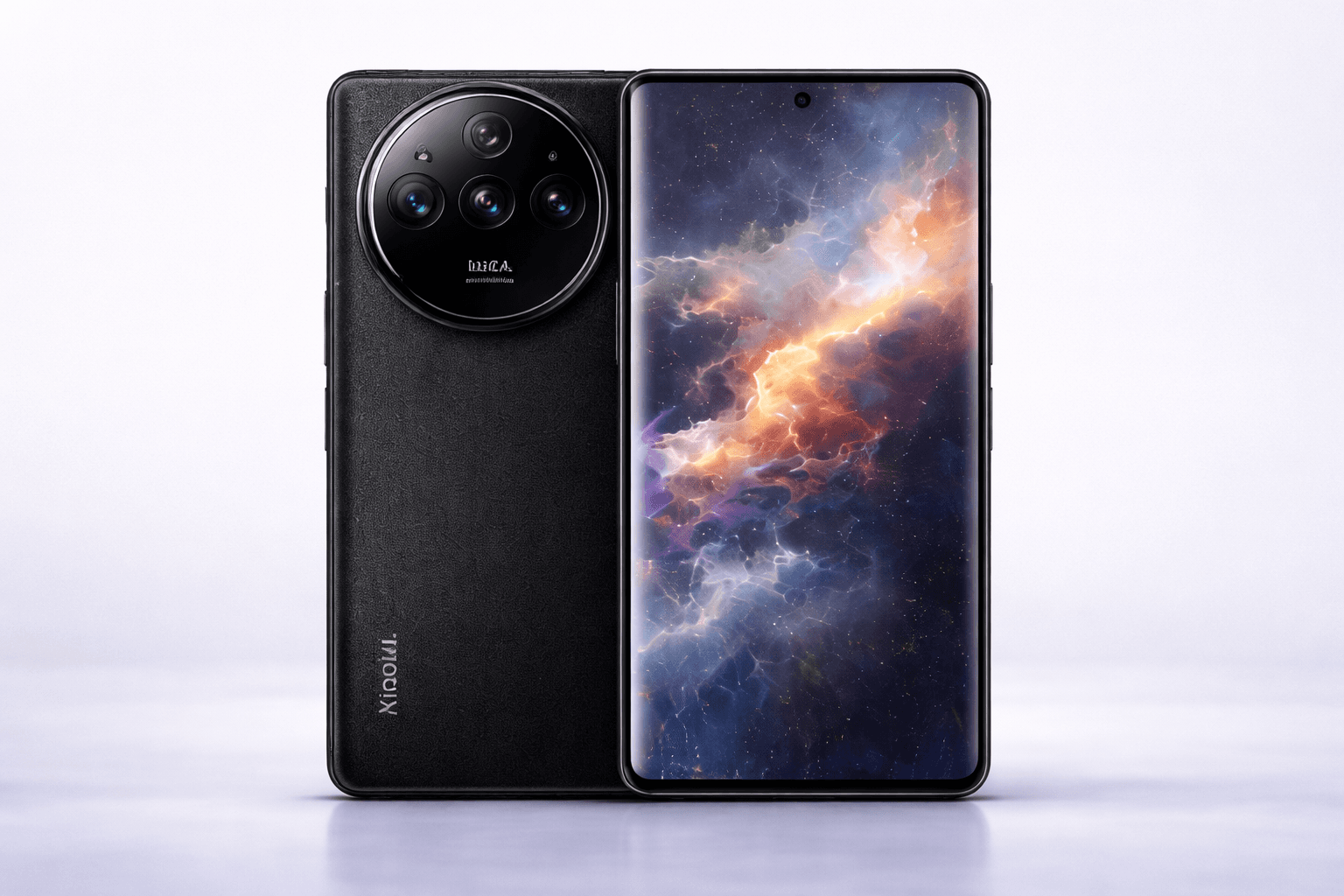
Xiaomi · 2025
15 Ultra
One of the strongest camera flagships ever.
~$1299
- 6.73" WQHD+ AMOLED 120Hz
- 5410 mAh battery
- 50MP 1-inch Main + 50MP Ultrawide + 50MP Tele + 200MP Periscope
- Very strong zoom camera
- Fast charging
- HyperOS is polarizing
- More expensive than many competitors
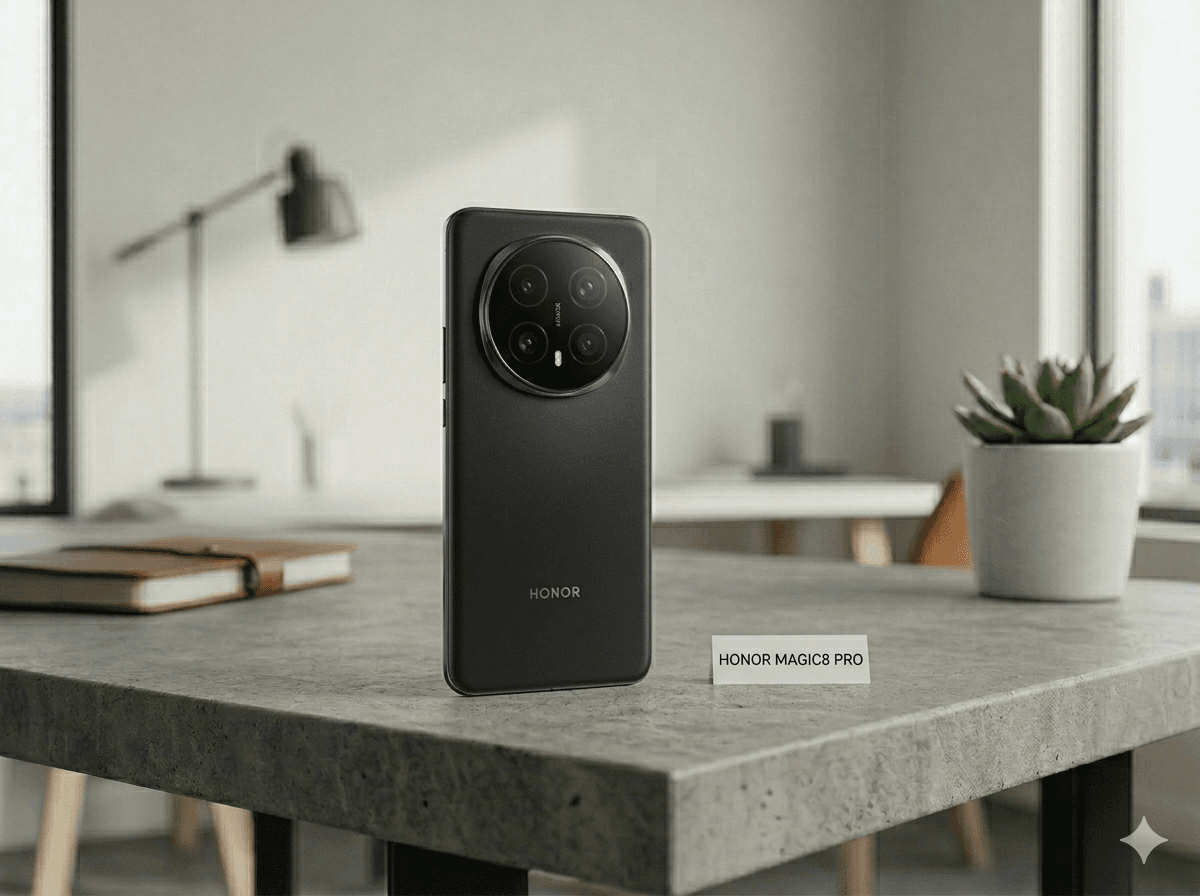
HONOR · 2025
Magic8 Pro
A very balanced premium phone with high-end features for the money.
~$1099
- 6.8" OLED 120Hz
- 5850 mAh battery
- 50MP Main + Ultrawide + 200MP Tele
- Strong telephoto camera
- Very good value for money
- Software less mainstream than Samsung/Google
- Market presence fluctuates

Google · 2025
Pixel 10
For many people, the most reasonable Android phone in the high-end range.
~$799
- 6.3" OLED 120Hz
- 4970 mAh battery
- 48MP Wide + 13MP Ultrawide + 10.8MP 5x Tele
- Strong main camera
- Long updates
- Performance not quite true gaming level
- Charging only moderately fast
 Value King
Google · 2026
Pixel 10a
One of the best Android smartphones for value.
~$499
- 6.3" pOLED 120Hz
- 5100 mAh battery
- 48MP Main + 13MP Ultrawide
- Very good camera results for the class
- Long updates
- Not as fast as true flagships
- More basic material feel
Smartphone Cameras: What matters most
More megapixels do not automatically mean better photos. The key to a great smartphone camera lies in the interplay of sensor size, lens quality, and software image processing. A larger sensor can capture more light, which leads to less image noise, especially in low-light conditions.
Software is half the picture
Today, every flagship relies heavily on Computational Photography. This means that the software in the background often combines multiple images with different exposures at lightning speed to increase the dynamic range. Manufacturers like Google and Apple lead here, but Samsung and Xiaomi have caught up strongly.